How Can Speciation Of Plants Benefit Humans. They could also be used for feeding cattle and humans need cattle. How can speciation of plants benefit humans?
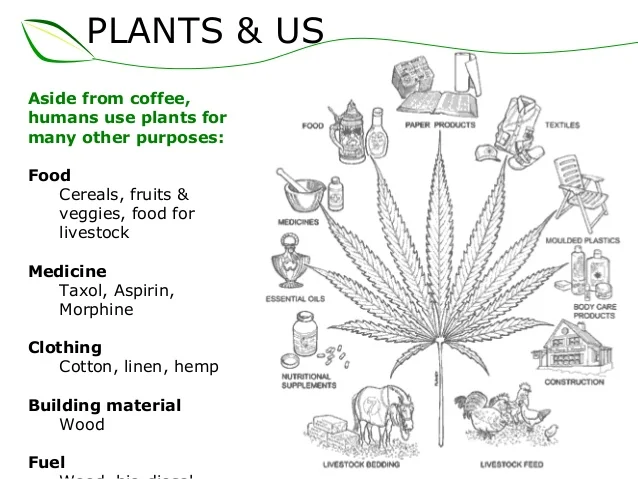
03 plants and us from www.slideshare.net
How can speciation of plants benefit humans? They could also be used for feeding cattle and humans need cattle. Plant speciation can benefit humans by becoming draught resistant, of medicinal value, increased fruit ad seed bearing properties or insect resistant, to name a few.
Plants Provide Vitamins And Minerals That Help Keep Humans Healthy.
Also, medicine is often made out of plants, so a new plant might have new medical properties that humans could use. Also, medicine is often made out of plants, so a new plant might have new medical properties that humans could use. How can speciation of plants benefit humans?
There Are Many Ways, For Example, New Speciation Can Create New Food For Humans.
How can speciation of plants benefit humans brainly? How can speciation of plants benefit humans? There are many ways, for example, new speciation can create new food for humans.
Some Plants That Weren't Edible, Could Now Become Edible.
Researchers at the university of arkansas division of agriculture think so. Plant speciation can benefit humans by becoming draught resistant, of medicinal value, increased fruit ad seed bearing properties or insect resistant, to name a few. Speciation occurs when a group […]
Plant Speciation Can Benefit Humans By Becoming Draught Resistant, Of Medicinal Value, Increased Fruit Ad Seed Bearing Properties Or Insect Resistant, To Name A Few.
Describe the physical characteristics of each region. Over time, as plant species evolve, or new plant species are created by human interference in the form of gsm plants or genetic engineering. Biology, 23.09.2019 06:30, angelbabynn05 how can speciation of plants benefit humans?
They Could Also Be Used For Feeding Cattle And Humans Need Cattle.
But can they do more? The speciation of plants can help or benefit us humans by creating plants or crops that suit our specific needs. Compare and contrast region e in the illustration above with region d.